



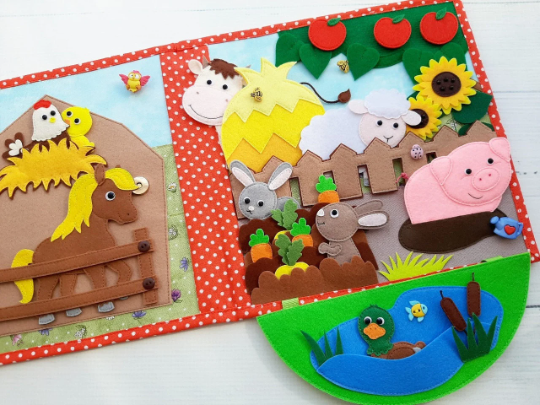
Quiet books, also known as busy books, are interactive fabric books designed to entertain and educate young children through hands-on activities. These books are made from soft materials like felt and cotton, making them safe for babies and toddlers. Quiet books offer a range of benefits, from developing fine motor skills to enhancing cognitive abilities. In this article, we will delve into the world of quiet books for babies, exploring their advantages and answering frequently asked questions to help you understand why they are an excellent learning tool for your little one.
Frequently Asked Questions About Quiet Books for Babies
- What Are Quiet Books?
Answer: Quiet books are fabric-based, handmade books that contain a variety of interactive activities on each page. These activities are designed to engage young children in quiet, focused play, helping them develop fine motor skills, cognitive abilities, and sensory awareness. The books are often made from soft materials like felt, making them safe and durable for babies and toddlers.
- Why Are Quiet Books Called “Quiet Books”?
Answer: The term “quiet books” toddler busy book comes from their intended purpose: to keep children quietly engaged. The activities within the books are designed to be done quietly, without the need for loud or electronic components. This makes quiet books ideal for use in settings where quiet play is preferred, such as during travel, in waiting rooms, or at bedtime.
- What Are the Benefits of Quiet Books for Babies?
Answer: Quiet books offer numerous benefits for babies, including:
- Enhancing fine motor skills: Activities like buttoning, zipping, and lacing help develop hand-eye coordination and dexterity.
- Boosting cognitive development: Puzzles, matching games, and sequencing tasks promote problem-solving and logical thinking.
- Encouraging sensory exploration: Different textures, colors, and shapes provide a multi-sensory experience.
- Promoting independent play: Quiet books encourage self-directed play, fostering independence and confidence.
- Providing safe and engaging entertainment: Made from soft, non-toxic materials, quiet books are safe for babies to explore and play with.
- What Types of Activities Are Found in Quiet Books?
Answer: Quiet books feature a wide range of activities, including:
- Buttoning and unbuttoning
- Zipping and unzipping
- Tying shoelaces
- Matching shapes and colors
- Counting beads or objects
- Identifying animals or objects
- Simple puzzles
- Texture exploration (soft, rough, smooth) These activities are designed to be both fun and educational, helping babies learn through play.
- Are Quiet Books Safe for Babies?
Answer: Yes, quiet books are generally safe for babies. They are made from soft, non-toxic materials like felt and cotton, and their components are securely attached to prevent choking hazards. However, it’s important to choose a well-made quiet book and supervise younger babies during play to ensure they do not put small parts in their mouths.
- At What Age Can Babies Start Using Quiet Books?
Answer: Babies can start using quiet books as early as six months old, depending on their developmental stage. At this age, they can begin to explore the textures and simple activities in the book with supervision. As they grow older and their fine motor skills develop, they can engage in more complex activities within the book.
- How Do Quiet Books Help in Developing Fine Motor Skills?
Answer: Quiet books help develop fine motor skills by providing activities that require precise hand movements. Tasks like buttoning, zipping, and lacing require children to use their fingers and hands in coordinated ways, strengthening their dexterity and hand-eye coordination. These skills are essential for later tasks like writing and using utensils.
- Can Quiet Books Be Customized?
Answer: Yes, quiet books can be customized to suit a child’s interests and developmental needs. Many makers offer personalized quiet books with the child’s name, favorite colors, or themes. Customization can make the book more engaging and enjoyable for the child, as it reflects their unique preferences and interests.
- Are Quiet Books Portable?
Answer: Quiet books are highly portable and convenient for travel. They are lightweight and compact, making them easy to carry in a diaper bag or backpack. This portability makes quiet books an excellent choice for keeping babies entertained during car rides, flights, or waiting periods.
- How Do Quiet Books Promote Cognitive Development?
Answer: Quiet books promote cognitive development by providing activities that challenge a child’s thinking and problem-solving skills. Puzzles, matching games, and sequencing tasks require children to think critically and make connections, enhancing their cognitive abilities. These activities also promote memory, attention to detail, and logical reasoning.
- Can Quiet Books Be Used for Educational Purposes?
Answer: Absolutely! Quiet books are excellent educational tools. They can cover a range of topics, such as numbers, letters, shapes, colors, and animals. By incorporating educational content into the interactive activities, quiet books make learning fun and engaging for babies and toddlers.
- How Do Quiet Books Encourage Sensory Exploration?
Answer: Quiet books encourage sensory exploration by incorporating a variety of textures, colors, and shapes. Babies can touch and feel different materials, such as soft felt, smooth satin, or rough sandpaper, stimulating their sense of touch. Bright colors and contrasting patterns capture their visual attention, while activities like crinkling or squeezing provide auditory feedback.
- What Should I Look for When Buying a Quiet Book?
Answer: When buying a quiet book, consider the following factors:
- Quality of materials: Choose books made from durable, non-toxic materials.
- Age-appropriate activities: Ensure the activities match your child’s developmental stage.
- Safety: Look for securely attached components and avoid books with small parts for younger babies.
- Customization options: Consider personalized books to make the gift more special.
- Portability: Ensure the book is lightweight and easy to carry for on-the-go use.
- Can Quiet Books Help with Language Development?
Answer: Yes, quiet books can aid in language development. Activities that involve identifying objects, animals, or letters can help expand a child’s vocabulary. Parents and caregivers can also use quiet books as a tool for interactive storytelling, describing the activities and objects on each page to enhance language skills.
- How Do Quiet Books Encourage Independent Play?
Answer: Quiet books are designed for self-directed play, allowing children to explore the activities on their own. This promotes independence and self-confidence as children figure out how to complete tasks without constant adult intervention. Independent play is crucial for developing problem-solving skills and fostering a sense of accomplishment.
Conclusion
Quiet books are a safe, fun, and educational tool for babies and toddlers. They offer a range of benefits, from enhancing fine motor skills and cognitive development to encouraging sensory exploration and independent play. Made from soft, non-toxic materials, these books provide a safe and engaging way for young children to learn and explore. Whether at home or on the go, quiet books are an excellent addition to any child’s toy collection, providing endless opportunities for learning and fun.
Summary
- Quiet books are fabric-based, interactive books designed for young children.
- They offer numerous benefits, including enhancing fine motor skills, boosting cognitive development, and promoting sensory exploration.
- Quiet books are safe and made from non-toxic materials, suitable for babies and toddlers.
- They are portable and ideal for on-the-go entertainment.
- Quiet books promote independent play and can aid in language development.
- When buying a quiet book, consider quality, age-appropriateness, safety, customization options, and portability.
By incorporating quiet books into your child’s playtime, you provide them with a valuable learning tool that supports their development in a fun and engaging way.
