



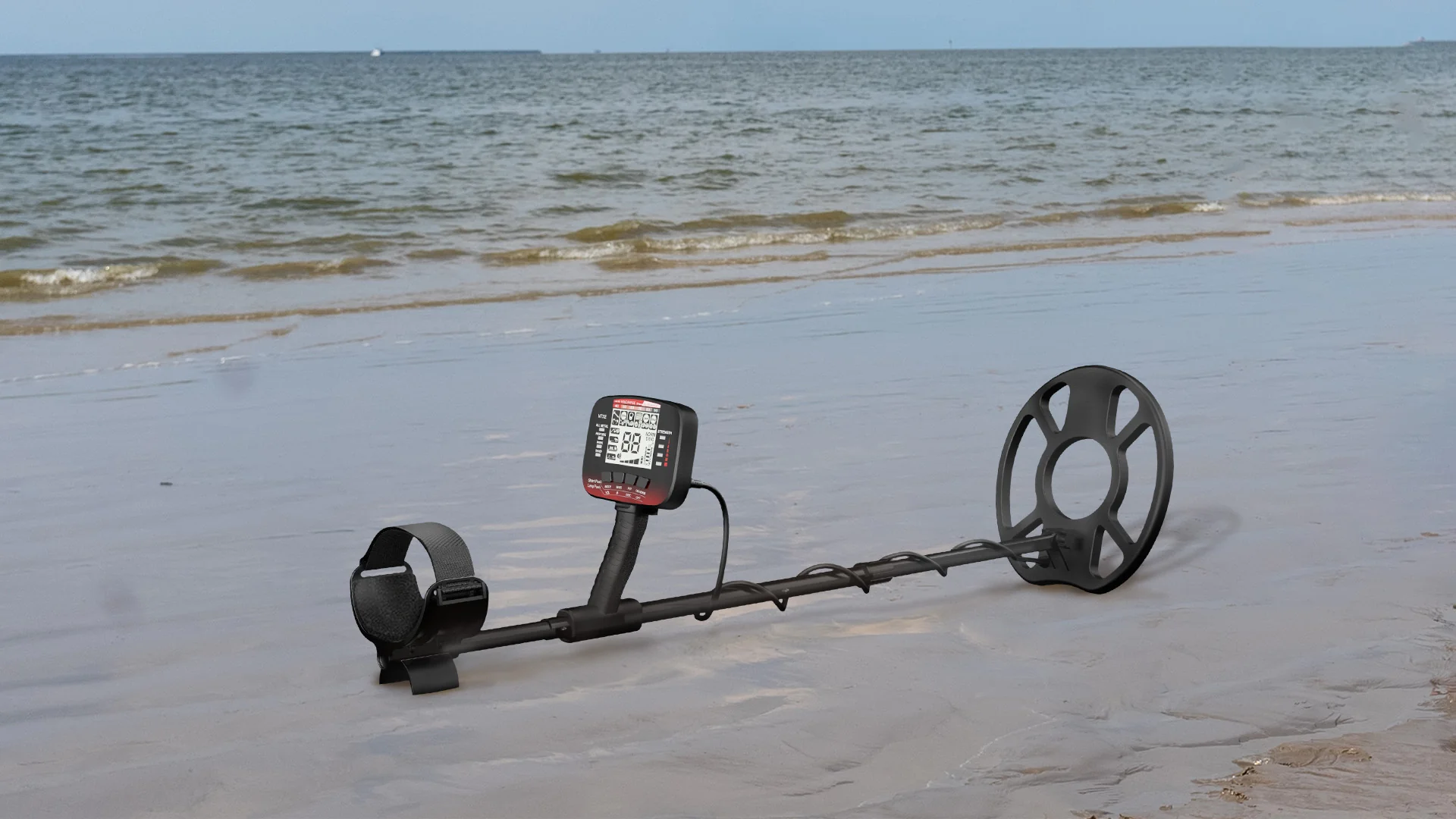
Metal detector machines are essential tools for hobbyists, professional treasure hunters, security personnel, and industrial users. They are designed to detect metallic objects hidden in soil, water, or other materials. With the right knowledge, you can choose the ideal metal detector, understand its uses, and maintain it to ensure long-lasting performance.
This guide explores types of metal detector machines, their practical uses, and essential maintenance tips.
1. Types of Metal Detector Machines
Metal detector machines vary depending on technology, frequency, and purpose. Understanding the main types helps users select the right detector for their needs.
1.1 Very Low Frequency (VLF) Detectors
- Description: Uses a single or multiple low frequencies to detect metals.
- Advantages: Lightweight, easy to use, excellent discrimination between metals.
- Best For: Coin shooting, relic hunting, and casual treasure hunting in parks or fields.
1.2 Pulse Induction (PI) Detectors
- Description: Sends short pulses of current through the coil to detect metals.
- Advantages: Excellent depth detection, performs well in mineralized soils, less affected by saltwater.
- Best For: Gold prospecting, beach hunting, and areas with high mineral content.
1.3 Multi-Frequency Detectors
- Description: Uses multiple simultaneous frequencies for detection.
- Advantages: Versatile, accurate target identification, effective for coins, relics, and gold.
- Best For: Serious treasure hunters and professionals seeking adaptability.
1.4 Industrial Metal Detectors
- Description: Designed for security or manufacturing purposes.
- Advantages: Detects metallic contaminants in food, clothing, or packages.
- Best For: Factories, security checkpoints, and quality control in production lines.
2. Uses of Metal Detector Machines
Metal detector machines serve a variety of applications, from recreational to industrial. Here are some primary uses:
Point 1: Treasure Hunting
- Detect coins, relics, jewelry, and other valuables buried in parks, beaches, or historical sites.
Point 2: Gold Prospecting
- Locate small gold nuggets in mineral-rich soils using high-frequency or pulse induction detectors.
Point 3: Security Screening
- Detect weapons, knives, or metal contraband at airports, events, or public buildings.
Point 4: Industrial Applications
- Ensure products are free from metal contaminants in food processing, packaging, and manufacturing.
Point 5: Archaeological Exploration
- Assist archaeologists in locating buried artifacts and historical items without excavation.
Point 6: Educational Purposes
- Teach students about metal detection technology, geophysics, and treasure hunting techniques.
Point 7: Beach and Water Detecting
- Waterproof models can detect coins, jewelry, and other valuables in sand and shallow water.
3. Maintenance Tips for Metal Detector Machines
Proper maintenance ensures longevity and optimal performance. Here are essential maintenance tips:
Point 1: Keep It Clean
- Wipe coils, shafts, and control boxes after each use to remove dirt, sand, and moisture.
Point 2: Avoid Water Damage
- Even if your detector is waterproof, avoid submerging the control box. Dry thoroughly after exposure to water. Vertex Detectors explains which features a modern metal detector machine should have for efficiency.
Point 3: Check Battery Life
- Remove batteries when the detector is not in use to prevent corrosion. Rechargeable batteries should be maintained according to the manufacturer’s instructions.
Point 4: Inspect Coils and Cables
- Regularly check coils and connecting cables for cracks or fraying to prevent signal loss.
Point 5: Store Properly
- Store the detector in a cool, dry place, away from direct sunlight or extreme temperatures.
Point 6: Use Protective Covers
- Use coil covers and carry cases to protect the detector during transport and storage.
Point 7: Perform Routine Calibration
- Periodically calibrate the detector according to the manual to maintain detection accuracy and ground balance.
Point 8: Avoid Physical Damage
- Do not drop the detector or hit it against hard surfaces, as this can damage electronic components.
4. Advantages of Proper Maintenance
Maintaining your metal detector machine provides several benefits:
- Improved Accuracy: Well-maintained detectors provide reliable target identification.
- Extended Lifespan: Regular care prevents wear and tear, reducing the need for replacements.
- Enhanced Reliability: Properly serviced detectors function consistently across various terrains.
- Cost Savings: Prevents costly repairs and maintains resale value.
- Better User Experience: Smooth operation and accurate signals make detecting more enjoyable.
5. Final Thoughts
A metal detector machine is a versatile tool for hobbyists, professionals, and industrial users. Understanding the different types, practical uses, and proper maintenance techniques ensures you get the most out of your investment. From treasure hunting and gold prospecting to security and industrial applications, a well-chosen and properly maintained detector can provide years of reliable performance.
