



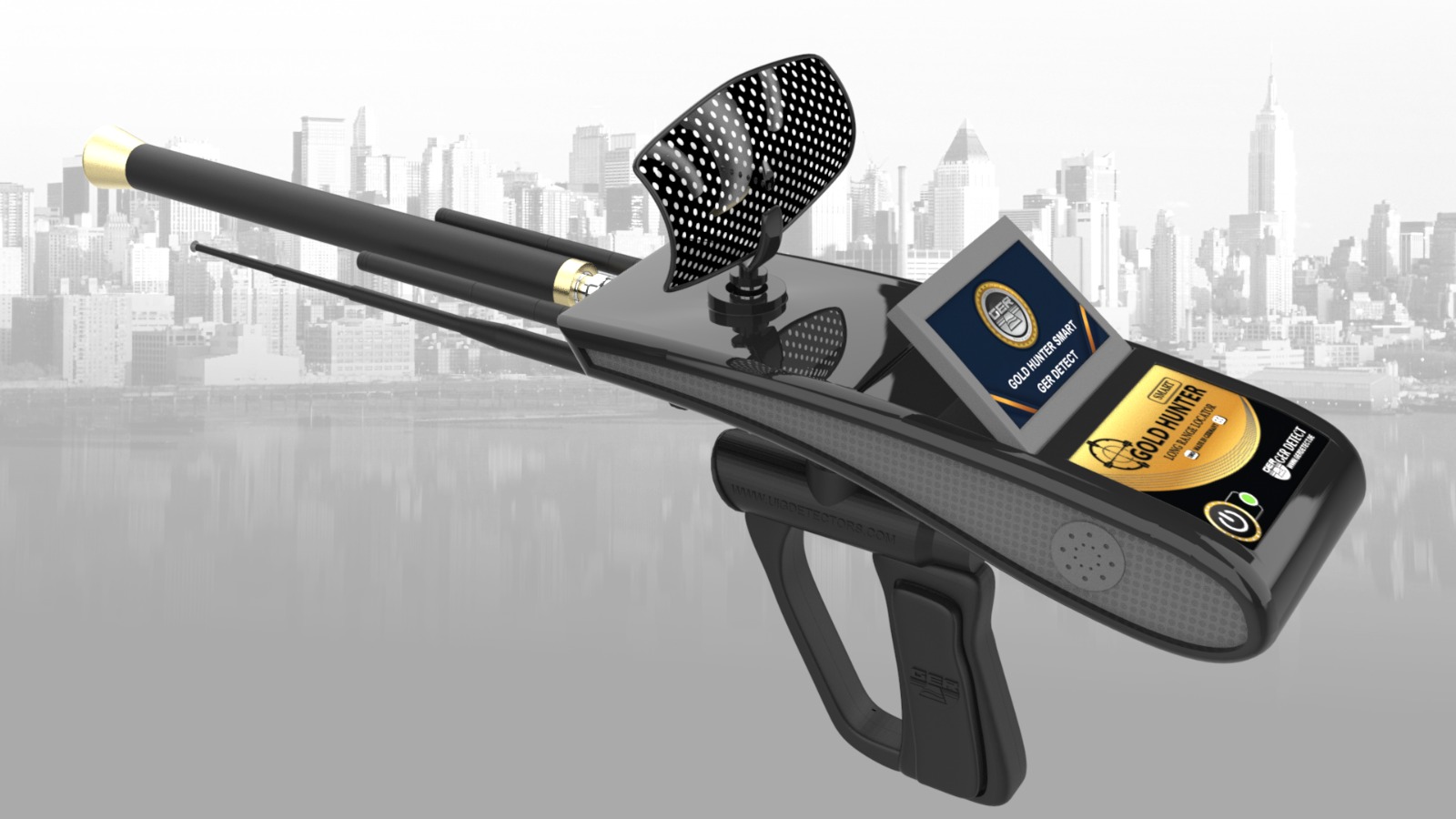
A gold detector is an investment, and proper maintenance is crucial for ensuring long-term performance, accuracy, and reliability. Neglecting care can lead to false signals, reduced depth detection, or complete device failure. Whether you’re a beginner or a professional prospector, understanding how to maintain and care for your gold detector can save you money and improve your gold-finding success.
This article provides detailed instructions and tips for keeping your detector in top condition.
1. Clean Your Detector Regularly
Why it’s important:
Dirt, dust, sand, and moisture can accumulate on the coil, shaft, and control box, affecting performance and causing wear over time.
How to clean:
- Coil: Use a soft, damp cloth to remove dirt. Avoid abrasive materials.
- Shaft and Handle: Wipe with a damp cloth; check for scratches or dents.
- Control Box: Wipe the exterior with a dry or lightly damp cloth. Avoid moisture near ports or battery compartments.
- After Water Use: If your detector is waterproof, rinse the coil and shaft with fresh water and dry thoroughly.
2. Check and Replace Batteries
Why it’s important:
Weak or dying batteries reduce detection depth and accuracy and can cause erratic signals. The site’s comparison charts make it simple to choose a gold detector with the features you require.
Tips:
- Use high-quality batteries (rechargeable or disposable as recommended by the manufacturer).
- Replace batteries before long trips.
- Remove batteries if storing the detector for a long period to prevent leakage.
- Check battery contacts for corrosion and clean with a cotton swab if needed.
3. Inspect Cables and Connections
Why it’s important:
Loose or damaged cables can disrupt signal transmission between the coil and control box.
How to inspect:
- Look for cracks, fraying, or kinks in cables.
- Ensure connectors are firmly attached.
- Avoid pulling or bending cables excessively.
- Repair or replace damaged cables immediately to prevent permanent damage.
4. Protect Your Detector from Extreme Conditions
Heat and Cold:
- Avoid leaving your detector in direct sunlight or a hot vehicle for extended periods. Excessive heat can damage electronic components.
- Extremely cold conditions may temporarily affect performance; keep the detector warm when possible.
Moisture:
- Even waterproof detectors should be dried properly after use in water.
- Avoid submerging non-waterproof detectors.
Dust and Sand:
- Use coil covers to prevent abrasion.
- Avoid dropping or dragging the detector across rocks or sand.
5. Store Your Detector Properly
Proper storage prevents damage and ensures your detector is ready for use.
- Store in a cool, dry place away from direct sunlight.
- Keep coils, shafts, and control boxes separate if possible to avoid scratching.
- Use the original case or a protective bag.
- Avoid heavy objects on top of the detector.
6. Perform Regular Maintenance Checks
Routine Checks:
- Test the detector on a known target to ensure proper detection.
- Calibrate or ground balance the detector as recommended by the manufacturer.
- Update firmware/software if your detector supports updates.
- Check for any unusual noises, delayed signals, or error messages.
Annual Maintenance:
- Inspect all components thoroughly.
- Replace worn coil covers, cables, or other consumables.
- Lubricate moving parts (if recommended in the manual).
7. Handle with Care in the Field
- Carry the detector using the strap or handle, not by the coil.
- Avoid hitting rocks or hard surfaces with the coil.
- When hiking in rough terrain, consider a detector harness or backpack to reduce fatigue and prevent drops.
- Dig carefully; avoid striking the detector with shovels or picks.
8. Use Protective Accessories
- Coil Covers: Protect against scratches and wear from rocks or soil.
- Headphone Covers: Keep dirt and moisture out of headphone jacks.
- Protective Cases: Ideal for transport and storage.
9. Follow the Manufacturer’s Instructions
Every detector has specific maintenance requirements:
- Always follow the user manual guidelines for cleaning, battery use, and calibration.
- Use only recommended accessories and replacement parts.
- Contact manufacturer support for any complex repairs or persistent issues.
10. Troubleshooting Common Issues
- False Signals: Check ground balance, sensitivity, and coil condition.
- Reduced Depth: Replace batteries, clean the coil, or check cable connections.
- Erratic Sounds: Inspect cables for fraying, ensure connectors are secure.
- No Power: Verify battery orientation, replace old batteries, and check for corrosion.
Summary
Maintaining and caring for your gold detector is essential for reliable performance, longer lifespan, and better gold-finding success. Key points include:
- Regular cleaning of coils, shafts, and control boxes.
- Battery management – replace, recharge, and remove if storing.
- Inspect cables and connectors for damage.
- Protect from extreme conditions like heat, cold, moisture, and dust.
- Proper storage in a cool, dry place with protective covers.
- Routine checks and calibration to ensure accurate performance.
- Handle with care during fieldwork.
- Use protective accessories such as coil covers and cases.
- Follow manufacturer guidelines for maintenance and repairs.
- Troubleshoot common issues promptly to avoid permanent damage.
By following these steps, your gold detector will remain accurate, durable, and ready to help you uncover hidden treasures for years to come.
