



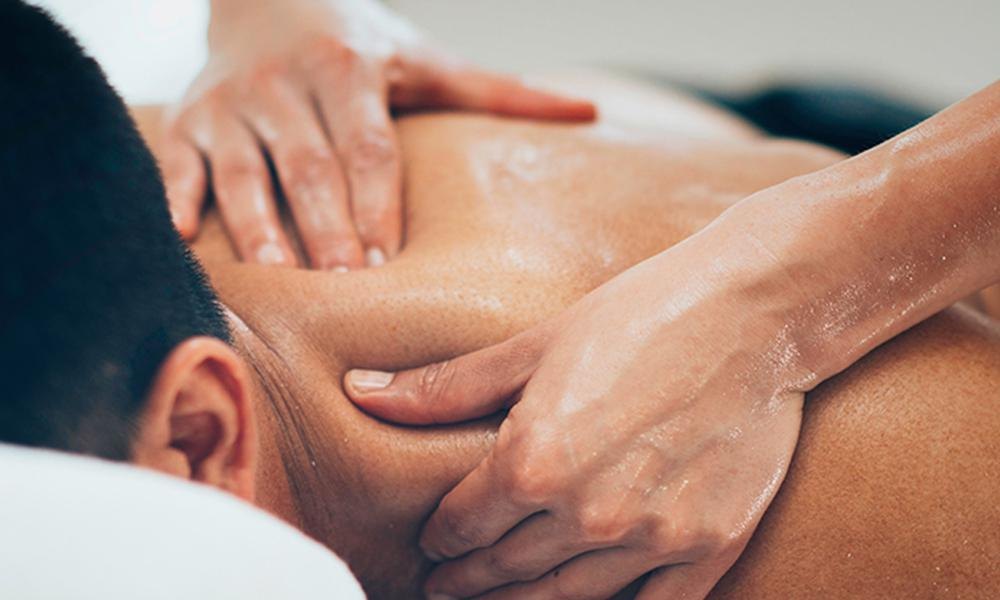
When you’re on a business trip, your schedule is often tight, and your energy is drained. Between back-to-back meetings, travel fatigue, and hotel life, it’s essential to find moments of relaxation to stay sharp and balanced. Two popular ways to unwind in Korea are in-room massage services and visits to a traditional spa or wellness center. But which one is better for business travelers?
Let’s compare the pros and cons of each to help you choose what suits your travel style and goals.
🏨 In-Room Massage Services: Convenience at Your Doorstep
✅ Advantages
- Time-Saving & Flexible
After a long day, you don’t need to leave your hotel room. Many providers in Daegu, Seongju, and Pohang offer evening and even late-night sessions—perfect for fitting into a hectic schedule. - Privacy & Comfort
Relax in your own space without other guests around. This is especially helpful if you’re introverted or simply want full peace. - Ideal for Jet Lag Relief
In-room massages can help you fall asleep faster and reduce body stiffness after long flights or car rides. - Customizable Services
Many therapists offer a range of services like foot massage, full-body, or acupressure, often with essential oils or heat pads.
❌ Disadvantages
- Limited Facilities
You miss out on spa amenities like saunas, steam rooms, or baths. - Room Space Constraints
Some hotel rooms may be small or not ideally suited for massage setups. A relaxing 경산출장마사지 can help you recharge after your workday.
🧖♀️ Spa Visits: A Full Wellness Experience
✅ Advantages
- Complete Environment
Spas in Korea—especially in cities like Daegu and coastal Pohang—offer a full range of facilities: hot tubs, saunas, aromatherapy rooms, and relaxation lounges. - Detox & Recharge
Spa visits help cleanse the body, improve circulation, and reduce fatigue. Traditional jjimjilbangs (Korean spas) are great for longer relaxation sessions. - Social Ambience
If you’re traveling with a colleague or in a group, spa visits can be a great way to unwind together in a non-work environment. - Experienced Staff
Reputable spas often employ trained therapists with specializations in deep tissue, Korean meridian massage, or reflexology.
❌ Disadvantages
- Travel Time Needed
You’ll need to leave your hotel and possibly book in advance—less ideal if you’re on a tight schedule. - Public Nature
Some spas are crowded, especially in big cities like Daegu or Busan, and may not offer the privacy you need after a long day. - Language Barrier
Some spa staff may speak limited English, depending on the region. However, this is less of a concern in tourist-friendly areas.
📊 Comparison Table
| Feature | In-Room Massage | Spa Visit |
| Convenience | ⭐⭐⭐⭐⭐ | ⭐⭐ |
| Relaxation Experience | ⭐⭐⭐⭐ | ⭐⭐⭐⭐⭐ |
| Facilities (Sauna, Baths) | ❌ | ✅ |
| Privacy | ✅ | ❌ |
| Time Required | ~1 hour | 1.5–3 hours |
| Best For | Quick recovery & sleep | Full detox & body renewal |
🧳 Which Option is Best for Business Travelers?
- If your schedule is tight or you’re exhausted from flights or meetings:
→ In-room massage is the smarter choice. - If you have a free evening or want a complete wellness reset:
→ A spa visit will leave you refreshed and recharged. - If you’re staying in Seongju or smaller towns with fewer spa options:
→ Mobile massage services are often more accessible. - If you’re in a city like Daegu with modern spas near business hotels:
→ Treat yourself to a premium spa session.
✅ Conclusion: Mix & Match for Maximum Relief
You don’t have to choose just one! Many business travelers in Korea opt for an in-room massage on arrival day and schedule a spa visit before departure to fully unwind. Whether you’re visiting Daegu, Seongju, Pohang, or beyond, combining both options may give you the most balanced and rejuvenating business travel experience.
