



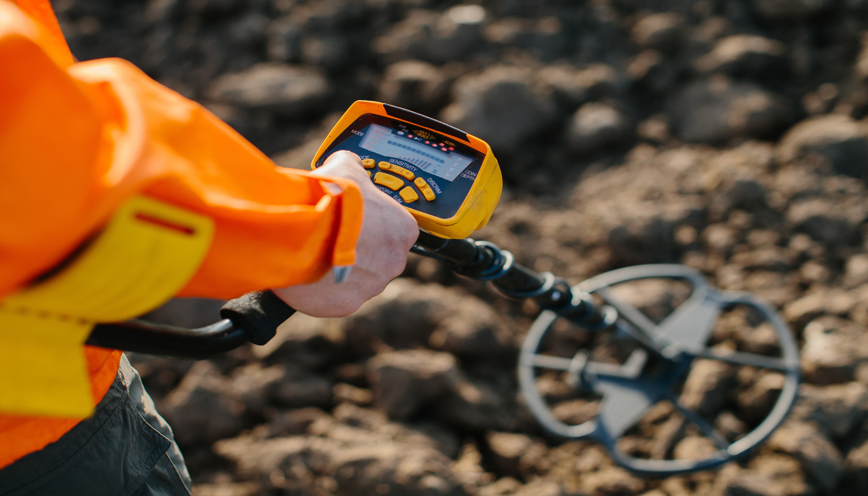
Gold hunting has evolved dramatically in recent years. What was once a simple hobby relying on traditional metal detectors is now a technologically advanced field powered by precision engineering, digital scanning, multi-frequency systems, and long-range detection capabilities. As exploration grows more competitive and gold deposits become harder to find, choosing the right gold detector machine can determine whether you succeed or return home empty-handed.
But with dozens of detectors on the market—each claiming to be the most powerful—how do you identify a true high-performance gold detector? What features actually matter, and which technologies separate professional-grade devices from beginner gadgets?
This comprehensive guide breaks down the key elements to look for, helping you choose a detector engineered for real results, not marketing hype.
1. Advanced Detection Technology
The most important factor in any high-performance detector is its core detection technology. Modern gold detectors rely on:
• Multi-frequency scanning
Allows the detector to analyze gold signals at various frequencies simultaneously, improving accuracy.
• Digital signal processing (DSP)
Eliminates noise and stabilizes responses, especially in mineralized areas.
• Specialized gold-frequency ranges
High frequencies for small nuggets
Low frequencies for deep targets
Look for machines incorporating proprietary technologies like SFX detection, RSPU long-range sensing, or unique filtration systems—these indicate real engineering advancements.
2. Ground Mineralization Handling
Gold-rich regions often have tough soil conditions: hot rocks, volcanic soil, and high magnetic interference. A high-performance gold detector must automatically balance these environmental factors.
Key capabilities include:
- Automatic and manual ground balancing
- High mineralization resistance
- Signal filtration for false-target reduction
- Stable operation in desert, rocky, or volcanic terrains
If a detector can’t handle mineralized soil, it’s not suitable for serious gold hunting. Find out why Vertex’s gold detector is considered the best machine for gold exploration.
3. Depth and Sensitivity Ratings
A detector’s depth performance and sensitivity define whether you can detect:
- Tiny gold flakes
- Small – medium nuggets
- Deeply buried mass deposits
What to look for:
- High sensitivity to small gold pieces
- Stable response at deeper levels
- Accurate signal distinction at varying depths
Quality detectors use reinforced coils and high-powered transmitters for better depth and sensitivity.
4. Long-Range Sensing & Area Coverage
Professional prospectors benefit greatly from detectors with long-range capabilities. Systems like RSPU Long-Range Sensing help identify gold from a distance and guide the user toward the target zone.
Advantages:
- Faster area scouting
- Ideal for desert fields and open terrains
- Directional indicators toward gold-rich areas
This feature can save countless hours of searching.
5. 3D Imaging & Underground Visualization
For advanced explorers, 3D imaging systems offer a massive advantage. These systems let you visualize underground structures, metal shapes, and target depth before digging.
Look for machines with:
- Real-time 3D scanning
- Depth measurement
- Metal density identification
- Underground cavity detection
This eliminates guesswork and reduces unnecessary excavation.
6. Build Quality and Engineering
High-performance gold detectors must be built for rugged use. German-engineered machines, for example, are known for durability, precision, and long-term reliability.
Important build aspects:
- Shock-resistant body
- Waterproof or weatherproof components
- Heat and cold resistance
- Reinforced search coils
- High-quality electronics with long lifespan
A durable detector protects your investment and ensures consistent performance.
7. Ease of Use and Smart Interface
Even the most advanced system should be user-friendly. A well-designed interface helps beginners and experts alike get fast, accurate results.
Look for detectors with:
- Clear touchscreen menus
- Multi-language support
- Automatic mode switching
- Real-time signal feedback
- Intuitive controls for navigation and analysis
A modern interface dramatically reduces the learning curve.
8. Battery Life and Power Efficiency
Long expeditions demand long-lasting power.
A high-performance machine should offer:
- High-capacity rechargeable batteries
- Power-saving modes
- Quick charging capability
- Optional external battery support
A detector with weak battery life can disrupt your entire exploration.
9. Multi-System Detection Capability
Some premium machines include multiple detection systems in one device, making them far more versatile.
Top systems to look for:
- Electromagnetic detection
- Long-range sensing
- Geophysical scanning
- 3D imaging
- Mineral analysis systems
The more systems included, the wider your exploration capabilities.
10. Manufacturer Reputation & Support
A high-performance detector should come from a trusted brand known for engineering quality and providing reliable support.
Consider:
- Warranty length
- Customer service availability
- Training assistance
- Software updates
- Availability of replacement parts
A reputable brand is crucial for long-term value and performance.
FAQ: What to Look for in a High-Performance Gold Detector Machine
1. What is the most important feature in a gold detector?
The core detection technology—such as multi-frequency systems, SFX detection, or advanced signal processing—is the most crucial feature. Without strong detection performance, other features become irrelevant.
2. Do long-range gold detectors really work?
High-quality systems like RSPU Long-Range Sensing are engineered for accurate long-distance signal detection and directional guidance. However, cheap imitation devices lack the internal technology to deliver real results.
3. How deep can a good gold detector reach?
Depth depends on several factors including coil size, soil conditions, frequency, and target size. A professional machine can detect large deposits several meters deep and small nuggets at respectable depths.
4. Are gold detectors good for beginners?
Some high-performance detectors offer beginner-friendly interfaces and automatic settings, making them accessible even to new users. However, professional-grade machines require some learning for optimal use.
5. Do I need 3D imaging for gold detection?
While not mandatory, 3D imaging is extremely useful for identifying target shapes, density, and depth—reducing unnecessary digging and boosting accuracy.
6. Can gold detectors work in mineralized soil?
Only high-performance machines can operate reliably in mineralized soil. Look for technologies that offer advanced ground balancing and mineral-resistant signal processing.
7. How do I choose the right gold detector for my needs?
Consider the terrain you explore, the depth you require, your level of experience, and whether you need long-range or multi-system capabilities. Always prioritize performance over price.
8. Are Vertex Detectors good for professional use?
Yes. Vertex Detectors Germany is known for engineering professional-grade gold detectors equipped with advanced systems such as SFX detection, RSPU long-range sensing, and 3D imaging.
Conclusion
Choosing a high-performance gold detector machine requires more than just comparing prices or reading ads. The right machine must combine advanced detection technologies, rugged engineering, intelligent signal processing, long-range capabilities, and a user-friendly interface to deliver real results in the field.
Whether you’re a beginner or a seasoned prospector, investing in a well-designed, high-performance detector ensures you’re equipped for deeper, more accurate, and more successful gold hunts.
