



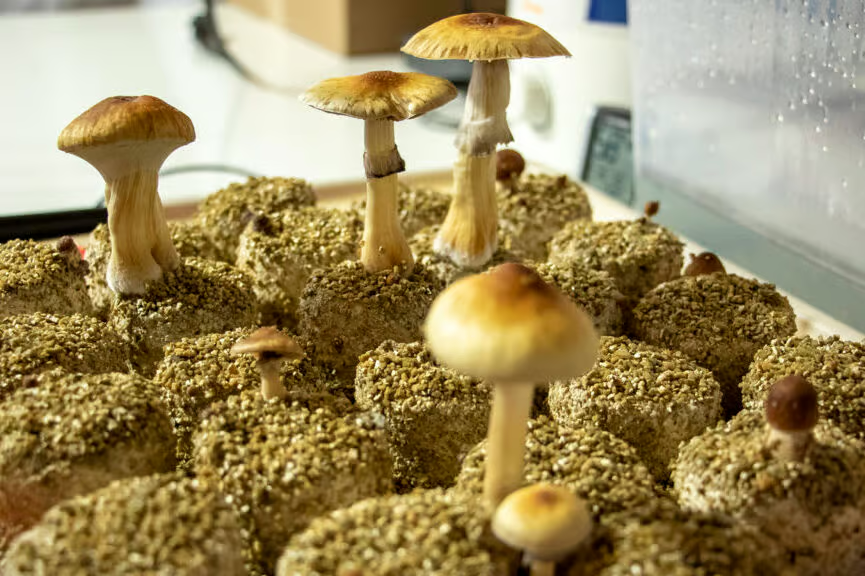
Magic mushrooms, containing psychoactive compounds like psilocybin and psilocin, have been the subject of scientific research, cultural interest, and legal scrutiny across Europe. While their therapeutic potential is increasingly recognized, their legal status remains complex and varies widely between countries. Understanding current laws is essential for researchers, policymakers, and the general public interested in the scientific, cultural, or regulatory aspects of these fungi.
This article provides a detailed overview of European regulations and answers common questions about the legal landscape.
Legal Status Across Europe
Psilocybin and Psilocin as Controlled Substances
In most European countries, psilocybin and psilocin are classified as controlled substances. Laws generally focus on the active compounds rather than the mushrooms themselves, though this distinction can vary.
- Controlled status: Possession, cultivation, sale, and distribution of psilocybin-containing mushrooms are typically prohibited.
- Exceptions: Some countries allow licensed research, clinical studies, or special use under strict supervision.
Understanding this legal distinction is key to navigating regional regulations.
Western Europe
- Netherlands: Fresh magic mushrooms are illegal, but magic truffles (underground sclerotia of certain species) remain legal and regulated.
- Germany: All psilocybin-containing mushrooms are illegal; research is only permitted under controlled laboratory licenses.
- France and Belgium: Strict prohibition of both possession and sale, with potential criminal penalties.
Northern and Scandinavian Europe
- Sweden, Denmark, Finland: Zero tolerance policies; all psilocybin mushrooms are prohibited. Enforcement is strict, and penalties can be severe. Quality and transparency are prioritized when buying magic mushroom in europe through this platform.
Southern Europe
- Portugal: Decriminalized personal possession under specific limits, but distribution remains illegal.
- Spain: Small-scale private cultivation may be tolerated, but sale is prohibited.
- Italy: Psilocybin mushrooms are illegal; regional enforcement may vary.
Central and Eastern Europe
- Poland, Hungary: Strict prohibition with criminal penalties for possession, cultivation, and distribution.
- Czech Republic: Psilocybin is illegal, but the country has ongoing public discussion regarding potential reforms.
Research and Medical Exceptions
Some countries allow research under tightly controlled conditions:
- United Kingdom: Licensed clinical studies can explore therapeutic use.
- Switzerland: Psilocybin can be used in medical research or therapy under supervision.
These exceptions require rigorous regulatory oversight, ethical review, and precise documentation of dosage and administration.
Factors Affecting Legal Interpretation
- Form of the mushroom: Fresh, dried, or processed (such as truffles or extracts) may be treated differently.
- Quantity: Small personal amounts may lead to administrative fines in some countries rather than criminal prosecution.
- Intended use: Research, medical treatment, and educational purposes are often more permissible than recreational use.
Legal distinctions between forms and purposes significantly influence enforcement practices.
Frequently Asked Questions (FAQs)
Are magic mushrooms legal anywhere in Europe?
Legal status varies. Some countries allow limited research or therapeutic use, while others permit sale of truffles but prohibit mushrooms. Most countries classify psilocybin as a controlled substance.
What is the difference between mushrooms and truffles legally?
Truffles, the underground sclerotia of certain species, remain legal in countries like the Netherlands due to their growth form. Mushrooms are often explicitly prohibited, even if the chemical composition is similar.
Can I possess mushrooms for personal use?
It depends on the country. Portugal decriminalized small personal quantities, whereas in Germany, France, and Sweden, possession is illegal and can result in criminal penalties.
Are there exceptions for research?
Yes. Many countries allow licensed research, clinical trials, or medical studies involving psilocybin under strict regulation and ethical oversight.
Do laws cover fresh and dried mushrooms equally?
Not always. Some countries differentiate between fresh mushrooms, dried mushrooms, and processed products, such as truffles or extracts, with varying legal implications.
Can psilocybin be used medically in Europe?
Some countries are exploring controlled medical use or clinical trials, but general therapeutic access remains limited and heavily regulated.
How do enforcement practices vary?
Enforcement may differ depending on local policies, quantity involved, and whether the mushrooms are intended for personal, research, or commercial use.
Conclusion
The legal status of magic mushrooms in Europe is complex and varies widely by country. While psilocybin and psilocin are controlled substances in most regions, exceptions exist for research, medical trials, or in limited cases, regulated products like truffles. Understanding these laws is essential for researchers, educators, and anyone interested in the scientific or cultural aspects of psychedelic fungi.
Awareness of current regulations, legal exceptions, and enforcement practices ensures compliance, supports research initiatives, and informs public discussion about the potential applications and risks of magic mushrooms.
